
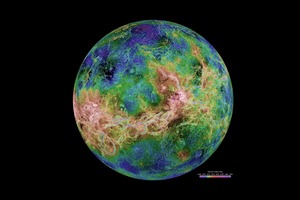
When looking at Venus from space in visible wavelengths, all that can be seen is a relatively uniform and seemingly featureless atmosphere. Above image was
Category: Astronomy
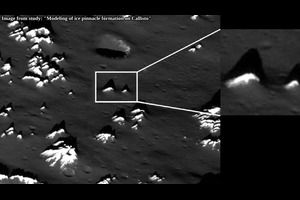
Above image was captured by NASA’s Galileo spacecraft in May of 2001 during the final flyby of Jupiter’s second largest moon Callisto. This final flyby
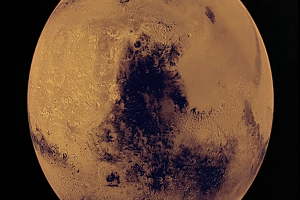
Above dark spot is the darkest large spot of Mars. This dark spot covers about 5 million kilometer square, which is around half the surface
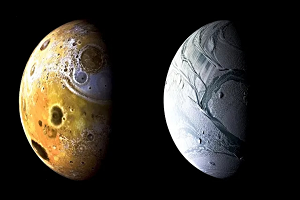
Ceres and Io are two radically different objects. Ceres is a cold and icy dwarf planet, it is mostly geologically dead so its surface is
When we look across the solar system, more than 290 fascinating moons have been observed. Most of these moons orbit the gas giant planets Jupiter